The Empty Seat Myth: Why a Ground Is More Than Its View
The empty seat myth overlooks how routes, meeting places, and familiar routines shape a day at the ground, helping you choose the experience that fits.
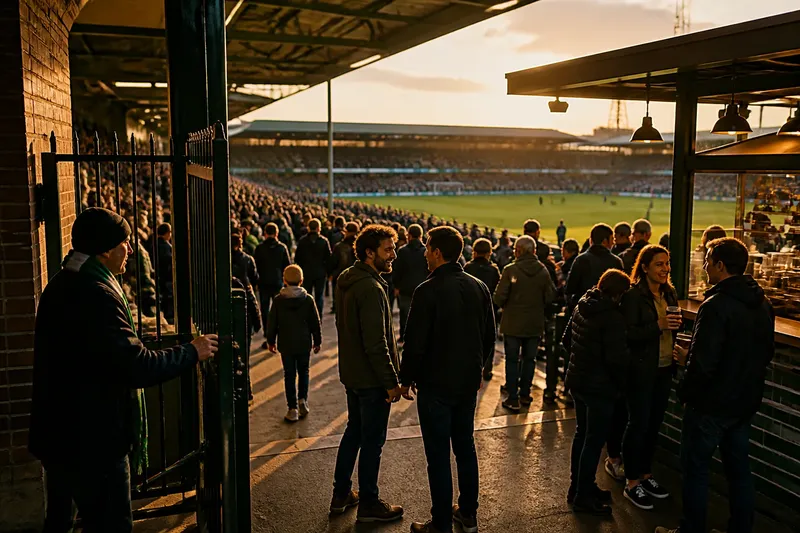
You can see the pitch from your seat, but your day at the ground began on the walk from the station. Someone is checking a familiar gate, friends are finding one another near a kiosk, and the concourse is already carrying the sounds of a shared occasion. The empty seat myth treats a sporting venue as a place to watch play; the fuller experience also depends on how people gather and move through it.
That distinction helps when choosing where to sit, whether to arrive early, or how to plan a visit with someone who has never been. A good view matters, but it is only one part of the setting. The right choice depends on what you want the place to make possible: close attention, easy conversation, a family outing, or a stronger sense of belonging.
What a ground holds
A ground is the whole setting around the field or court, not just the seats facing it. Entrances, walkways, food counters, open plazas, and the route back out all shape how a crowd experiences the event. These spaces give people places to meet, pause, talk, and recognize familiar patterns.
Some routines are practical: arriving through a particular gate, checking where a companion will wait, or stopping for a snack. Others make the occasion feel distinct from an ordinary day. A familiar view of the stands filling up or the walk along a particular concourse can become part of what someone means by “going to the game,” even if it has little to do with the action itself.
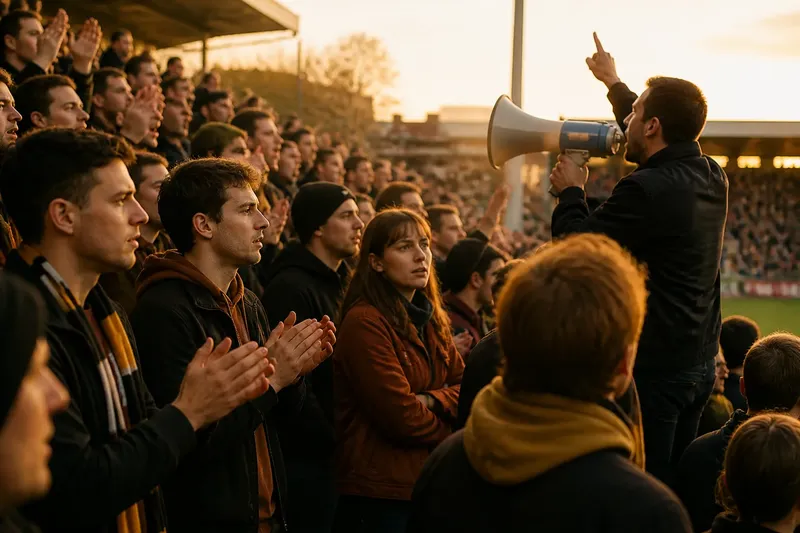
The myth persists because the playing area is the obvious focus. Yet spectators do not experience a match as a view detached from its surroundings. They share a place with other people, and the venue’s layout influences how easily they can meet, move, hear one another, and take part in the atmosphere.
If the view comes first
Choose a seat for sightlines when following the action closely is your main aim. Consider whether you want to see the whole field, watch a particular end, or keep your eyes on a section of play. A seat near the middle may offer a balanced perspective, while a position closer to one end can make that end’s movement feel more immediate.
Do not judge the seat by a diagram alone. The angle, distance from the field, roof, railings, and people standing nearby can affect what you see. If the venue provides a seating map or accessibility information, use it to compare the view with your own needs rather than assuming that the most expensive or central option suits everyone.
This choice fits a visitor who wants to follow tactics, keep track of players, or focus on the unfolding contest. It may fit less well if the group expects to talk throughout, move around, or prioritize a social gathering over a continuous view.
If conversation matters
For a social outing, plan around where people can meet before they take their seats and how easily they can find one another afterward. A landmark near an entrance or a clearly named concourse can be more useful than a vague instruction to “meet by the stands.” Agree on a fallback point in case the first spot is crowded.
Think about the group’s pace, too. Someone who likes to arrive early may enjoy watching the venue fill, while a companion who prefers a quieter arrival may want time to settle before the busiest period. Seats near an aisle can make coming and going simpler, but repeated movement may distract people trying to follow every phase.
Say you are taking a relative who cares more about catching up than tracking every play. You might agree to meet by a visible entrance landmark, arrive with time to find the seats without rushing, and choose a section with convenient access to the concourse. The expected result is a clearer meeting plan and fewer interruptions to the conversation—not a better view by default.
If access shapes the visit
For a visitor who uses a wheelchair, walks slowly, needs frequent breaks, or is attending with a young child, the route through the ground deserves attention before seat preference. Check entrance locations, step-free routes, accessible seating arrangements, restroom access, and the distance between the entrance and the chosen section. A theoretically excellent seat is not a suitable choice if reaching it makes the visit difficult.
Look for the venue’s access information and contact its staff if a detail is unclear. Ask about the route from arrival point to seat, where companions can sit, and whether a quiet space or another accommodation is available. The person attending should guide these decisions; needs vary, and a friend’s assumptions are not a substitute for asking.
For families, the same principle applies in a different way. A manageable route, a place to pause, and a clear plan for regrouping may matter more than being close to the field. The best fit is the arrangement that lets everyone take part without making each change of location a separate challenge.
If the place is the point
Some visitors want to feel the ground’s character as much as they want to watch the contest. For them, the route through the venue can be part of the occasion: the approach from a local street, the first glimpse of the stands, or the change in sound as the crowd gathers. If that is your priority, leave room in the plan for arriving without rushing.
Notice how the space is used rather than trying to collect every detail. Where do people stop to greet one another? Which paths become busy, and where can a small group step aside? What changes as the event gets closer? These observations show how a venue supports shared life, without requiring you to treat every corner as an attraction.
This approach suits a returning supporter who values the familiar rituals of arrival, or a first-time visitor curious about how the occasion feels beyond the field. It is less useful if you have a tight arrival window or mainly want to settle into your seat before play begins. There is no need to tour the whole venue to appreciate its social shape.
Which plan fits you?
Use the questions below to make the decision concrete. In each case, choose the arrangement that serves the group’s main need; the best plan need not serve every preference equally.
Do you want to follow every play?
Start with sightlines and choose a seat that suits the area of action you want to watch. Keep the route and nearby facilities in mind, but do not let optional stops displace the reason you came.
Are you meeting a group?
Set a specific meeting point before arrival and choose seats the group can reach without confusion. If conversation is central, allow time together before taking seats rather than expecting the view to provide a place to talk.
Does someone need an easier route?
Prioritize confirmed access details and a manageable path over a preferred section. Check the venue’s guidance and ask staff about unresolved practical questions before deciding.
Are you there for the atmosphere?
Make time for the approach, the gathering areas, and the crowd’s changing movement. Keep the plan loose enough to notice the place, while respecting that busy walkways are for passing through, not blocking.
Keep the plan simple
Before setting out, decide which of these matters most to your group: the view, a shared meeting, an accessible route, or time to absorb the venue’s atmosphere. Then settle the essentials: how you will arrive, where you will meet, and what to do if the group becomes separated. If a seat or route depends on the venue’s current arrangements, follow its published information and ask staff where needed.
What is not worth the effort is trying to optimize every part of the day. A minute-by-minute itinerary can leave little room for an unexpected queue, a conversation, or a change in pace. A simple meeting plan and one clear priority usually give people more freedom to enjoy the setting.
The empty seat myth misses the way a ground becomes meaningful through repeated routes, shared waiting, and the small decisions that let people gather. Keep that in mind when choosing a seat or planning an arrival: the view may draw your eyes, but the spaces around it often determine how comfortably you can share the day.